 English (EN)
 Français (FR)
 Deutsch (DE)
 Español (ES)
 中文 (ZH)
 العربية (AR)
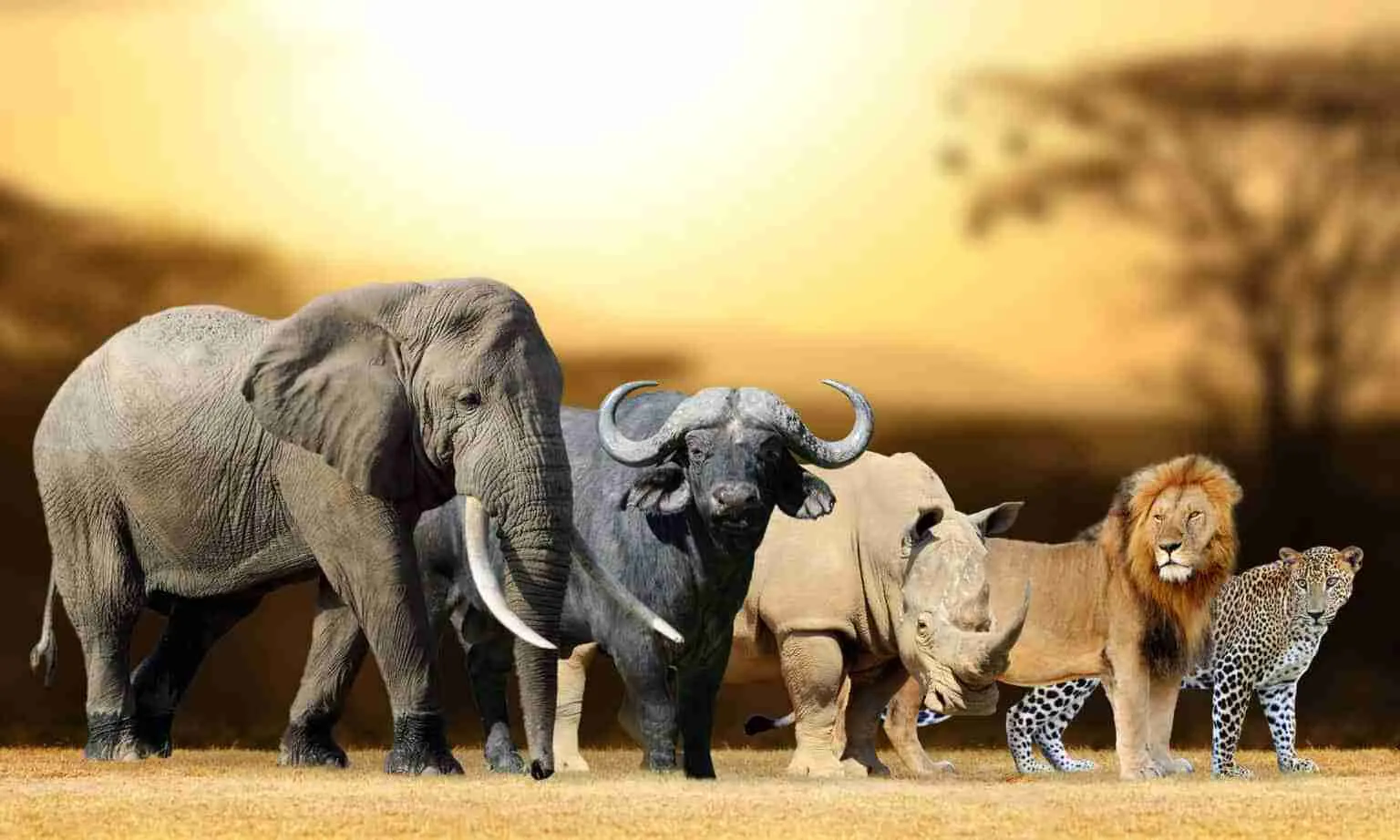
The story of the kenya national park masai mara begins long before tourism brochures — in the footsteps of the Maasai people, in colonial-era conservation choices, and in evolving ideas about land, stewardship, and wildlife. The reserve was formally recognized in the mid-20th century as a protected wildlife area and grew into the celebrated landscape it is today. Its mosaic of conservancies, community land, and managed reserve zones reflects an evolving partnership between local Maasai custodians and Kenyan authorities — a partnership that shaped the modern kenyan national park masai mara while keeping tradition close to the heart.
Long before formal reserve lines were drawn, the Maasai roamed, grazed, and named. “Mara” — which describes the landscape as “spotted” for the dotting of scrub and bush over the plains — is a loving, earthy description that the land wears proudly. That name lives at the center of the masai mara park, a place where stories are older than maps and hospitality is part of the horizon.
